
What is a DME provider?
How to become a DME Provider.

A Durable Medical Equipment (DME) provider is a specialized company or healthcare entity that supplies medical devices designed for long-term, repeated use to maintain independence at home. These providers act as the bridge between your doctor’s prescription and the physical equipment you need to manage a health condition.
Unlike a standard pharmacy that sells disposable items like bandages, a DME provider focuses on high-quality, reusable equipment that typically has an expected lifespan of at least three years.
Examples of DME Supplies
-
Mobility Aids: Wheelchairs (manual and electric), walkers, canes, crutches, and scooters.
-
Respiratory Equipment: Oxygen concentrators, CPAP/BiPAP machines for sleep apnea, and nebulizers.
-
Home Safety & Support: Hospital beds, patient lifts, pressure-reducing mattresses, and commode chairs.
-
Monitoring & Testing: Blood sugar (glucose) monitors, test strips, and continuous glucose monitors (CGMs).
-
Specialized Supplies: Infusion pumps, enteral (tube) feeding supplies, and prosthetics.
U.S. DME Market
valued at roughly $80.9 billion in 2024 and is projected to grow to about $137.9 billion by 2033 — representing sustained growth with a compound annual growth rate (CAGR) around 6.1%
Market Dominance
Monitoring and therapeutic devices dominate the U.S. DME market, making up about 92% of the total market — driven by devices like CPAP units, vital sign monitors, etc.
Tech Enabled Equipment
An estimated 8 million U.S. patients are using DME with remote monitoring capabilities as of 2025, indicating significant growth in tech-enabled equipment usage.
DME Providers Services / Responsibility
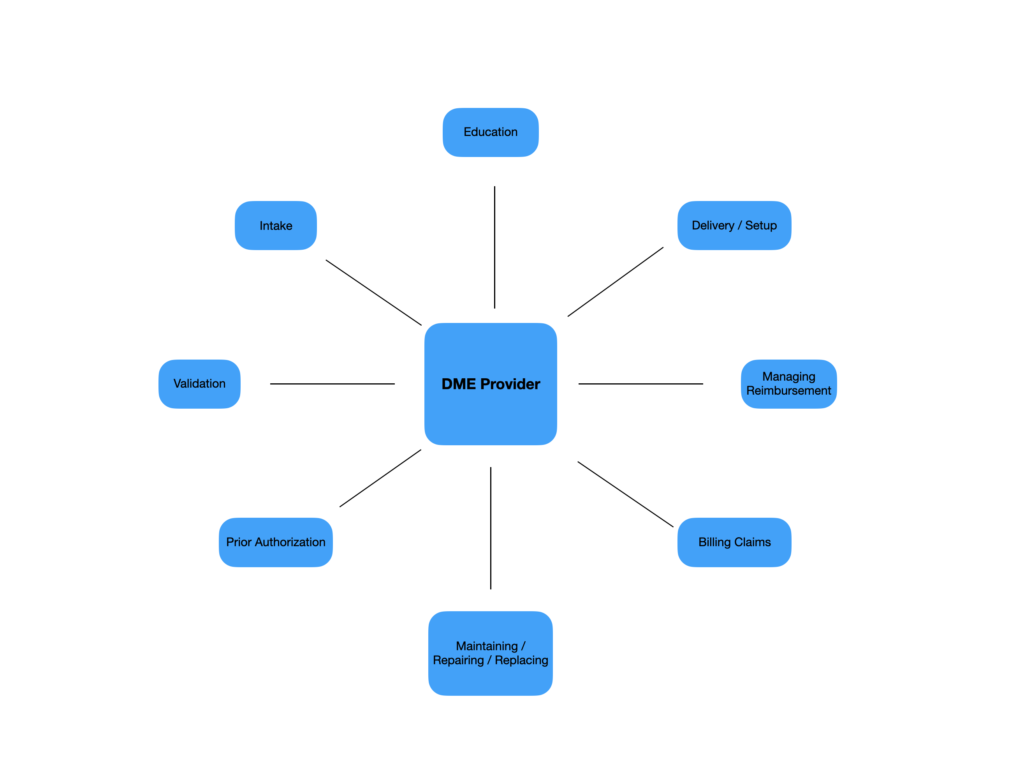
DME providers serve as a comprehensive link in the healthcare chain. Beyond equipment delivery, they navigate complex insurance requirements, handle billing and compliance, and provide the essential setup, education, and long-term support needed for safe and effective patient care.
Receiving and Validating Physician Prescriptions
DME providers begin by receiving and reviewing physician prescriptions for accuracy and compliance. This step ensures that all medical documentation meets payer requirements before equipment is dispensed.
Key responsibilities include:
- Validating prescriptions from licensed healthcare providers
- Confirming diagnosis codes and medical necessity
- Ensuring documentation meets Medicare DMEPOS standards
Proper documentation reduces claim denials and protects providers during audits.
Verifying Insurance Eligibility and Benefits
Before equipment is delivered, DME providers verify the patient’s insurance coverage to determine:
- Whether the equipment is covered under the patient’s plan
- Rental versus purchase eligibility
- Patient cost-sharing amounts such as deductibles and coinsurance
- Coverage limits or replacement timelines
This step protects patients from unexpected bills and helps providers manage financial risk.
Obtaining Prior Authorizations
Many insurance plans require prior authorization before DME can be dispensed.
DME providers manage this administrative process by:
- Submitting clinical documentation to insurers
- Communicating with physicians to obtain supporting records
- Tracking authorization approvals and expiration dates
- Failure to secure authorization when required can lead to non-payment, making this one of the most time-consuming aspects of DME operations.
Delivering and Setting Up Equipment in the Patient’s Home
Once approved, DME providers coordinate delivery and setup, often in the patient’s home or care facility.
This includes:
- Scheduling delivery based on patient needs and discharge timelines
- Installing equipment according to manufacturer and safety guidelines
- Testing functionality before use
For complex equipment such as oxygen systems or hospital beds, proper setup is essential for patient safety.
Educating Patients and Caregivers
Patient education is a core responsibility of DME providers. Staff members train patients and caregivers on:
- Proper equipment use and safety precautions
- Cleaning, maintenance, and storage instructions
- Troubleshooting common issues
- When and how to request service or replacements
Effective education improves patient outcomes, increases compliance, and reduces equipment misuse or injury.
Educating Patients and Caregivers
Patient education is a core responsibility of DME providers. Staff members train patients and caregivers on:
- Proper equipment use and safety precautions
- Cleaning, maintenance, and storage instructions
- Troubleshooting common issues
- When and how to request service or replacements
Effective education improves patient outcomes, increases compliance, and reduces equipment misuse or injury.
Maintaining, Repairing, or Replacing Equipment
Many DME items are rented or used long-term, requiring ongoing support. DME providers are responsible for:
- Routine maintenance and performance checks
- Emergency repairs or equipment replacement
- Compliance with manufacturer and payer maintenance requirements
This ongoing service ensures equipment remains safe, functional, and compliant throughout its lifecycle.
Submitting Insurance Claims and Managing Reimbursement
DME billing is highly specialized. Providers must:
- Submit claims using proper HCPCS codes
- Bill correctly for rentals, purchases, and accessories
- Track payments, denials, and adjustments
- Respond to audits and documentation requests
Accurate billing and documentation are essential to maintaining cash flow and avoiding regulatory penalties.1. Form Your Business Legally
Types of DME Providers
DME Provider Type | Description | Typical Services | Target Patients / Settings | Key Advantages |
|---|---|---|---|---|
Retail Storefront | Physical store where patients can walk in | Equipment sales, demos, patient education, pickup | Patients who can visit in person | Direct patient interaction, wide product range, hands-on demos |
Home Delivery | Delivers and sets up equipment in the patient’s home | Delivery, setup, training, maintenance | Patients with limited mobility, home care patients | Convenience, safety, personalized in-home service |
Specialty Provider | Focuses on a specific equipment niche | Expert guidance, inventory management, training | Patients requiring specialized therapy (respiratory, mobility, sleep, wound care) | Expertise, efficient inventory, higher reimbursement potential |
Contracted / Institutional | Supplies hospitals, nursing facilities, hospice organizations | Bulk supply, coordination with clinical teams, regulatory compliance | Hospitals, nursing facilities, hospice programs | Steady demand, long-term contracts, integrated clinical workflow |
How To Become DME Provider: Step by Step
1. Form Your Business Legally
The first step is creating a legal business entity. This ensures liability protection and allows you to open business accounts, hire employees, and operate legally.
2. Obtain State Licensing
Many states require DME supplier licenses or permits. Requirements vary by state but typically include:
- Submitting an application and paying fees
- Providing proof of business location (not a P.O. Box)
- Passing background checks and, in some cases, a site inspection
- Meeting safety and compliance standards
Check your state’s health department or medical equipment licensing authority to confirm requirements.
3. Set Up a Physical Location
To comply with Medicare DMEPOS standards, your business must maintain a physical location where:
- Equipment inventory is stored
- Staff can manage administrative tasks
- Inspections can be conducted if required
Even if your business focuses on home delivery, a base location is essential for regulatory compliance.
4. Enroll as a Medicare DMEPOS Supplier
If you plan to bill Medicare, enrollment is mandatory. Steps include:
- Applying for a Medicare DMEPOS supplier number via the CMS website
- Obtaining a surety bond (commonly $50,000)
- Meeting all Medicare supplier standards for documentation, delivery, and quality
- Passing a site inspection, if required
5. Enroll With Medicaid and Commercial Insurers
After Medicare enrollment, you can expand coverage by:
- Registering with your state Medicaid program
- Contracting with private insurance companies
- Establishing cash-pay or self-pay policies for patients without coverage.
Each payer may require separate applications, documentation, and compliance verification. Noble House Helps you with this process.
6. Build Your Inventory and Vendor Relationships
Once licensed and enrolled, stock your inventory with equipment suited to your target patients:
- Partner with reputable manufacturers and distributors
- Decide on rental vs. purchase models for different equipment
- Maintain a tracking system for inventory, maintenance, and repairs
7. Implement Noble*Direct DME Software
Implement a strong DME Billing Software that covers the entire cycle end-to-end.
8. Market Your DME Business
Finally, attract patients and referral sources:
- Build relationships with physicians, hospitals, and clinics
- Develop a website optimized for local SEO
- Highlight services like home delivery, patient education, and specialty equipment
Why Noble*Direct is the Best DME Software
for your Business:
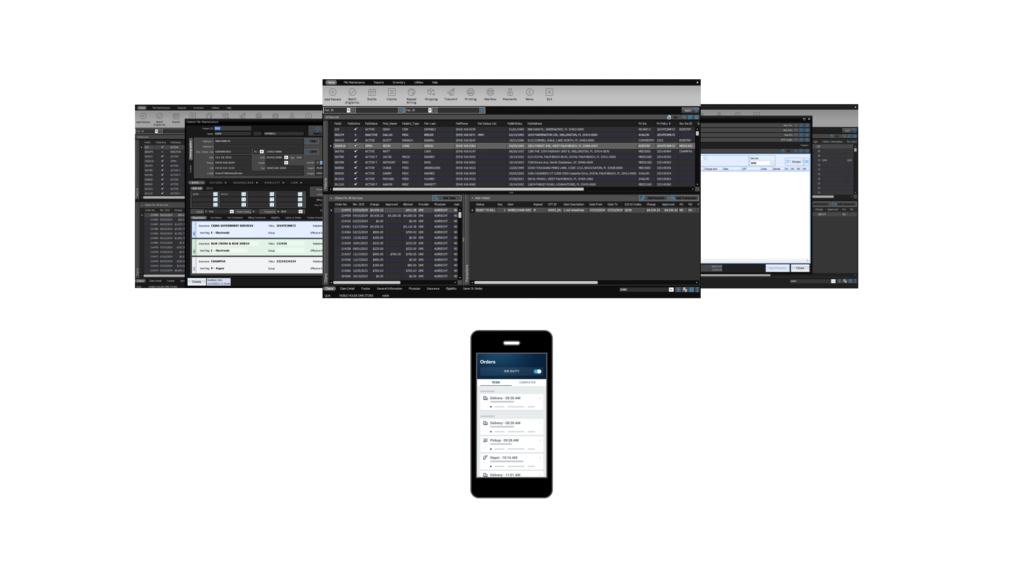
Noble*Direct is a comprehensive, all-in-one DME / HME billing software.
For example, it supports companies focusing on mobility, diabetic supplies, orthotics, CPAP, or incontinence.
Moreover, there is no need to visit multiple portals or maintain separate systems. Instead, Noble*Direct provides everything DME providers need from start to finish.
In addition to Noble*Direct, Noble House pairs a comprehensive all-in-one solution with a commitment to personalized service. We believe in high-touch support, which is why we provide exclusively human interaction—no automated menus or voice systems. Our team recognizes the challenges of the DME landscape and is here to ensure your business thrives.
Overall, Noble*Direct & Noble House is all you need whether you are making the switch or starting fresh.